
The Best Time to Visit Northern Kenya for a Safari
Planning a safari to Northern Kenya involves one question more than almost any other: when should I go? Unlike the Masai Mara, where the wildebeest migration sets a clear calendar, Northern Kenya - and Laikipia in particular - is a year-round destination. The wildlife doesn't migrate out, and the experience does shift meaningfully across the seasons, and knowing what to expect in each one helps you choose the trip that suits you best.
Understanding Northern Kenya's Climate
Kenya has two rainy seasons and two dry seasons, which alternate throughout the year. In Laikipia and the Lolldaiga Hills, these play out as follows:
Long rains: March to May
First dry season: June to October
Short rains: November to December
Second dry season: January to February
The altitude of Lolldaiga Hills - the conservancy sits at around 1,800 to 2,500 metres above sea level - means temperatures are moderate year-round. Nights can be pretty cold, particularly between June and August. Days are warm but rarely oppressively hot. This is one of the reasons Northern Kenya is a more comfortable safari destination than the lower-lying parks further south.
July to October: The Classic Safari Season
The long dry season is the most popular time to visit, and for good reason. Vegetation thins as the rains recede, water sources consolidate, and wildlife concentrates around permanent waterholes - including the one that sits directly in front of Moon's Camp. Game viewing is at its most predictable and sightings are frequent.
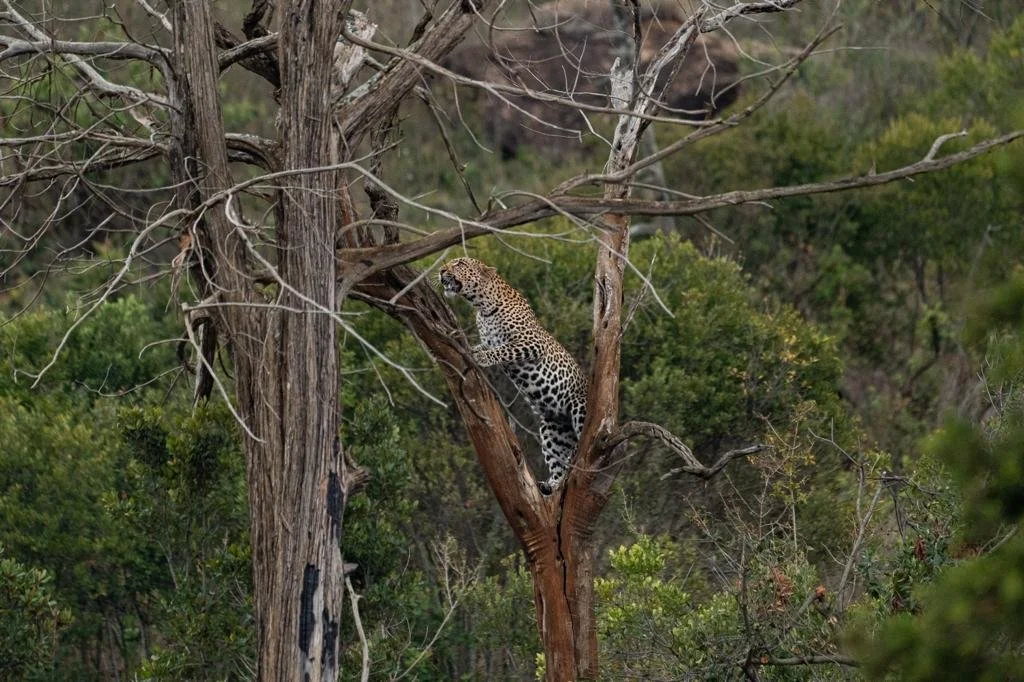
Lion are particularly visible during this period, moving through open terrain in search of prey. Elephant herds gather at the watering hole daily. Grevy's zebra and reticulated giraffe are seen consistently across the open plains. Leopard sightings increase as the long grass disappears.
July and August are also the coolest months, which makes walking safaris and fly camping particularly enjoyable. Early morning game drives require a warm layer but reward with sharp light and active predators. Evenings around the fire feel genuinely necessary.
This is the period when Moon's Camp books earliest. If you have specific dates in July, August or September in mind, it's worth getting in touch well in advance.
January and February: The Hidden Sweet Spot
January and February are, in our experience, some of the finest months to visit Lolldaiga Hills - and among the least talked about. The short rains finish in December, leaving the landscape lush and green but the tracks already drying out. Wildlife viewing is excellent, the conservancy is quiet, and the light for photography is exceptional.
Newborn animals appear in January - impala lambs, zebra foals, elephant calves - which brings its own kind of game viewing. Predators are active. The watering hole is busy. And unlike the July to October window, you're unlikely to find the camp at full occupancy.
If you have flexibility in your dates and you aren’t bound by school holidays, January and February is great - in terms of both experience and availability.
June: The Shoulder Month Worth Considering
June sits at the transition between the long rains and the dry season. The landscape is still green, tracks are mostly passable, and visitor numbers are lower than peak season. Wildlife viewing is good, particularly for elephant and buffalo which remain well-distributed across the conservancy. The grass is longer than in August, which means some species require more patient searching - but the guides at Lolldaiga know exactly where to look.
For travellers who want the dry-season experience without the peak-season crowds, June is worth serious consideration.
Late April to end of May: The Long Rains
The long rains bring a different kind of beauty to Lolldaiga. The conservancy turns dramatically green, migratory birds arrive in large numbers, and the cedar forest sections come alive. Wildlife doesn't disappear during the rains - elephant, giraffe, lion and leopard are all present year-round - but they disperse more widely across the conservancy as water sources multiply, which can make game drives less immediately productive.
Some tracks become difficult after heavy rainfall, which limits where vehicles can go. Walking safaris are still possible on drier days. Fly camping is weather-dependent.
Moon's Camp remains open through the long rains for guests who specifically want the green-season experience - the photography, the birdlife, the sense of having the conservancy entirely to yourself. It's a different trip, but a rewarding one for the right traveller.
November and December: The Short Rains
The short rains are typically lighter and more intermittent than the long rains, often falling in the afternoons and clearing by evening. Game viewing remains good throughout November and December, and the landscape - green again after the dry season - is beautiful. This is also a popular period for families visiting over the school holidays, and the combination of reliable wildlife and festive atmosphere makes it one of the most enjoyable times to be at camp.
The week between Christmas and New Year is consistently one of our favourite times at Moon's Camp. If you're considering it, book early.
What About Specific Wildlife?
A few species are worth timing a visit around specifically:
Grevy's zebra are present year-round in Lolldaiga and seen in all seasons, but tend to concentrate in the open plains sections in the north during the dry months when food is more localised.
Reticulated giraffe are similarly year-round residents. The dry season offers clearer sightings against the thinning vegetation; the green season offers more dramatic backdrops.
Birds peak during the long rains and short rains, when resident species are joined by Palearctic and intra-African migrants. If birding is a priority, March to May and November are worth considering specifically for this reason. Over 421+ species have been recorded in the Lolldaiga Hills conservancy.
Lion and leopard are present year-round but easiest to spot in the dry season when cover is reduced. That said, some of our most memorable lion sightings at Moon's Camp have been in the green season, when the pride moves more predictably in search of prey.
So, when should I come?
There is no bad time to visit Lolldaiga Hills. The question is really what kind of trip you want. Dry season for the most concentrated and reliable game viewing. January and February for quieter conditions and green landscapes with dry tracks. The rains for birding, photography and genuine solitude.
What we'd say to any guest asking this question is: tell us what matters most to you - the wildlife, the weather, the solitude, the photography - and we'll tell you which months suit your trip best. That conversation is one of the things we enjoy most about hosting guests directly.
Get in touch at safaris@safari-series.com or visit our contact page to start planning.
Photos by Jack Godwin