
Where is Lamu Island? (and why Zanzibar fans should know about it)
If you've been to Zanzibar, or you've spent long enough scrolling travel accounts on Instagram to feel like you have, you already know the shape of an Indian Ocean island holiday: white sand, warm water, a historic stone town, a few good seafood restaurants.
Lamu gives you all of that too. But what it doesn't give you is the rest of Zanzibar: the resort strips, the tour touts, the litter and the sense that you're one of several thousand people having the same holiday this week.
Lamu is a small archipelago off Kenya's northern coast, roughly 150 nautical miles up from Mombasa, made up of Lamu Island itself, plus Manda and Pate. Its main town, Lamu Old Town, is a UNESCO World Heritage Site and one of the oldest continuously inhabited Swahili settlements in East Africa. Coral-stone houses, carved wooden doors, alleyways barely wide enough for two people to pass. It has been standing, in more or less this form, since the 14th century.
Zanzibar's Stone Town has a similar heritage pitch, but it now sits inside a much bigger machine: resorts up and down the coast, package tourism, cruise ship days when the old town fills up fast.
Lamu Island never built that machine. There are no cars on the island (OK there is one, brought over on a boat and belonging to the Mayor). Everything moves by foot, by donkey, or by dhow, and that one fact changes the entire texture of a holiday there.
Five Reasons Lamu Might Suit You Better Than Zanzibar
1. You Won't Be Sharing the Beach
Zanzibar's popularity is well earned, which is also the problem. Its main beaches get busy, its restaurants take bookings, its dive sites have queues. Lamu doesn't have that pressure. Visitor numbers are a fraction of Zanzibar's, so the Old Town, the waterfront and the beaches tend to feel like they belong to whoever happens to be standing on them that day. In peak season this is still true, which is rarer than it sounds on this coastline. On the other side of the island, where you will find Chuchungi House, it is even quieter, with just a few private houses and one barefoot-style hotel.
2. No Cars, No Noise, No Rush
This is the detail that surprises people most. Lamu Town and Shela have never had roads for vehicles, so donkeys and dhows do the work a Toyota would everywhere else. There's something disorienting, in a good way, about a place where the loudest thing you hear is a call to prayer or someone's radio drifting out of a doorway. It slows you down whether you plan to relax or not.
3. A Culture You Can Actually See Working
Lamu Old Town's coral-stone buildings and carved doors aren't there for photographs, though they're very good for photographs. This is a working Swahili town, not a heritage display case. Dhow builders still build dhows on the beach the way their fathers did. Craftsmen still carve doors to order. The customs that make up daily life here, prayer times, mealtimes, the rhythm of the tides, haven't been repackaged for visitors. You're a guest in someone else's routine, which is a very different feeling from touring a museum piece.
4. The Food Alone Is Worth the Trip
Swahili cooking on this coast leans on coconut, tamarind, chilli and whatever the boats bring in that morning, and Lamu does it as well as anywhere in East Africa. Order Samaki wa Kupaka, fish grilled over charcoal and finished in a coconut-tamarind sauce, or Pweza wa Nazi, octopus simmered slowly in spiced coconut milk until it falls apart. Pilau turns up everywhere, rice cooked with whole spices and usually meat or fish. Viazi Karai are potatoes fried in a turmeric batter, sold hot off the street. For breakfast, Mahamri and Vitumbua, Swahili doughnuts in two different forms, one bread-like, one closer to a rice cake, both worth getting up early for. All these flavours are incorporated into the meals at Chuchungi House so you can try local and delicious food during your stay.
5. Life Happens on the Water
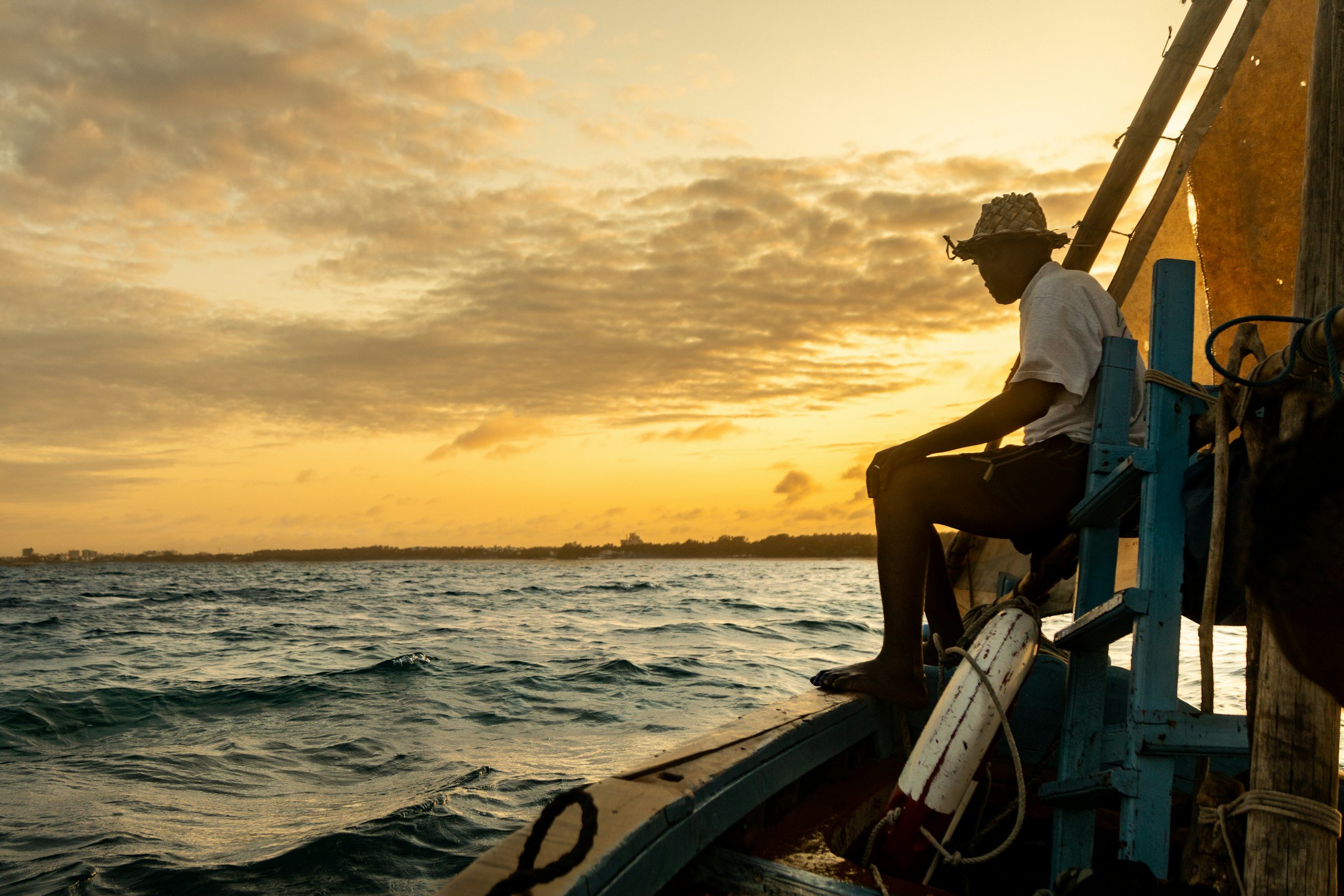
Dhows aren't a tourist add-on in Lamu, they're how the island has always moved, fished and traded. A sunset dhow trip is the closest thing Lamu has to a must-do, not because it's been marketed that way but because it puts you directly among people whose families have been building and sailing these boats for generations. Go out for a sunset sail, a fishing trip, or a slow drift between the islands, and you're watching a tradition rather than a performance of one.
So, Is Lamu Better Than Zanzibar?
Not neccessarily better, but definitely different. Zanzibar earns its reputation: more resorts, more restaurants, more structure, an easier holiday to plan and slot into a week off. If that's what you want, it delivers.
Lamu asks something different of you. Fewer options, less structure, and in exchange, an island that hasn't been rebuilt around visitors. Car-free streets, a UNESCO old town still going about its business, food worth planning meals around, and a pace of life that Zanzibar, for all its charms, can no longer offer.
Does it need saying that here at The Safari Series, we are definitely ‘Lamu people’?!
Quick-fire FAQs:
Is Lamu better than Zanzibar?
Neither is objectively better. Zanzibar suits travellers who want an established beach holiday with a wide choice of resorts and activities. Lamu suits those seeking a quieter, car-free island with UNESCO heritage, more activities, better suited to families with children, more conservation-focused ethos, Swahili cuisine and fewer visitors.
What is Lamu Island known for?
Lamu is known for Lamu Old Town, a UNESCO World Heritage Site and one of the oldest continuously inhabited Swahili settlements in East Africa, along with its car-free streets, traditional dhows and Swahili cuisine. The waters are clear and blue, with beautiful long sandy beaches that run for miles.
Are there cars on Lamu Island?
No. Lamu Town and Shela have no roads for vehicles. Transport is by foot, donkey or dhow - try a donkey ride to see how locals get around!
What type of traveller suits Lamu island?
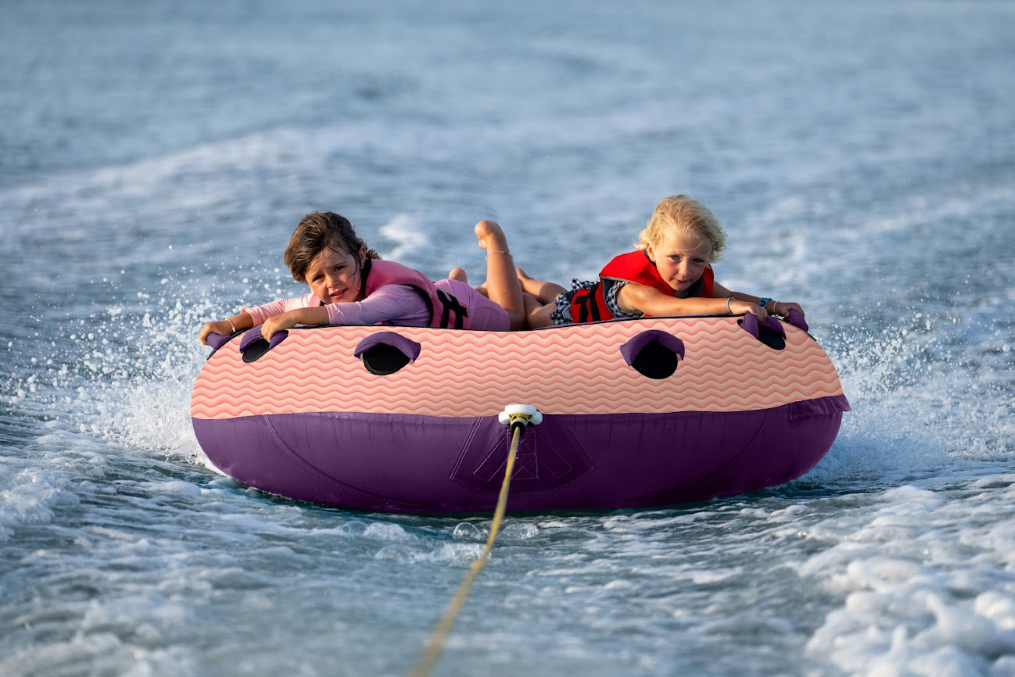
Families with children who love to be active and understand the importance of this beautiful coastal landscape. With plenty of motorboat activities, but also interspirsed with stunning ocean birdlife, turtles, dolphins and even migrating whales, Chuchungi House and Lamu island is a great place to start or end your safari.
What food should I try in Lamu?
Signature Swahili dishes include Samaki wa Kupaka (coconut-tamarind grilled fish), Pweza wa Nazi (coconut octopus), Pilau, Viazi Karai, Mahamri and Vitumbua.
Where is Lamu Island located?
Lamu is an archipelago off Kenya's northern coast, made up of Lamu Island, Manda Island and Pate Island (along with many other smaller ones).